Blog
Notes from working on data platforms, infrastructure, and side projects.
·
AI-assisted
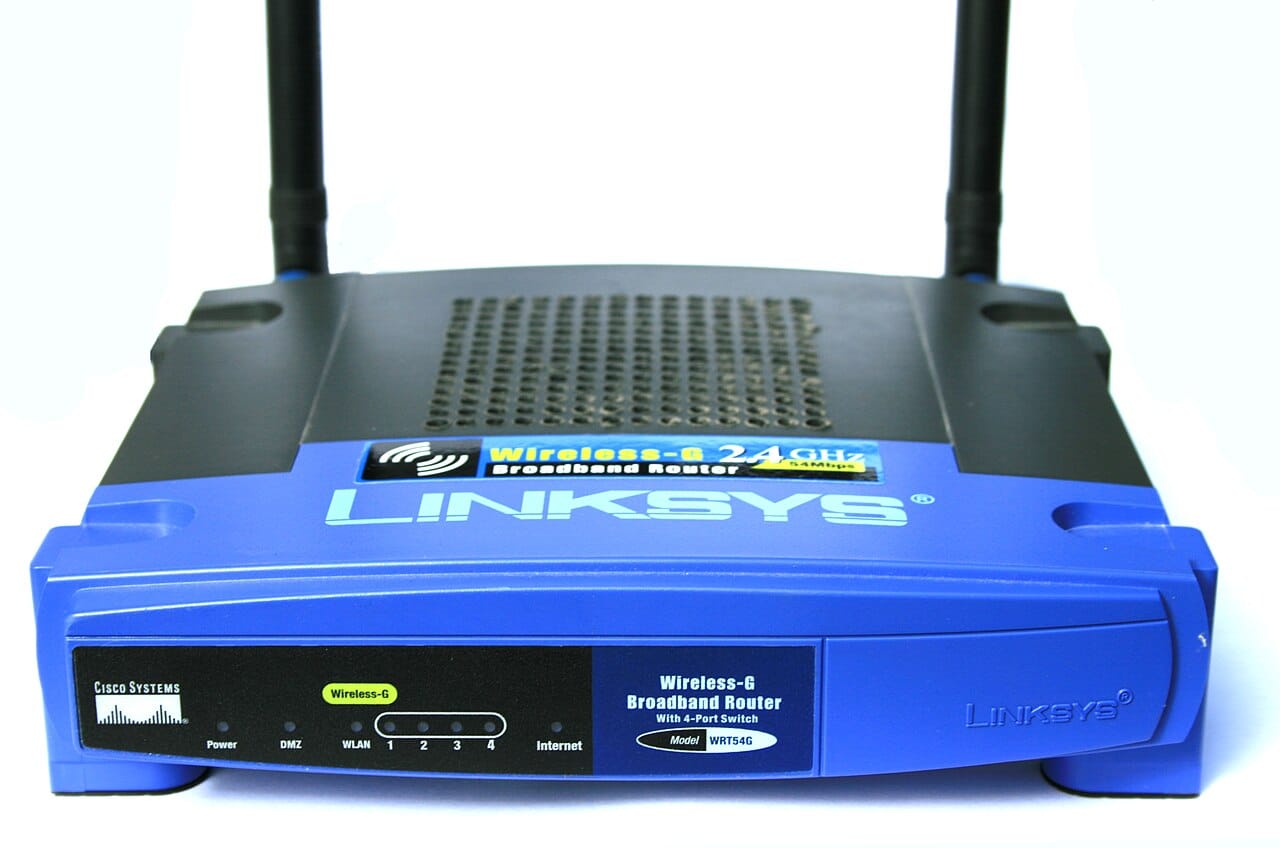
Why is your home network 192.168.1.1? The 1994 address war behind it
Three blocks of addresses were quietly set aside in 1994 with no explanation for the numbers, an opposition RFC titled 'Considered Harmful' predicted decades of pain, and the lead objector ended up co-signing the winning standard. Your router's default address is the armistice line.
#networking
#history
#homelab
·
AI-assisted
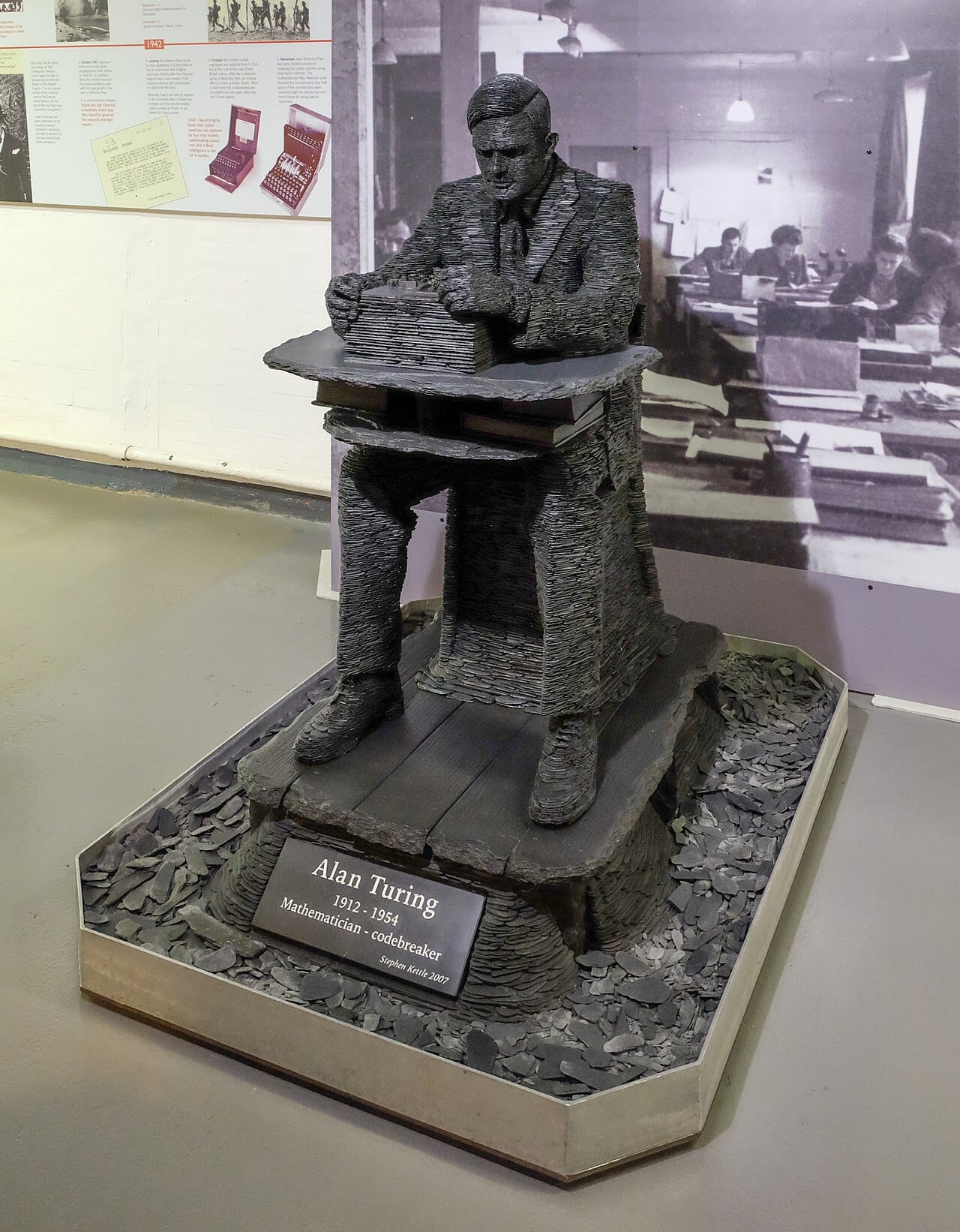
What does CAPTCHA stand for? The Turing test, running in reverse
The squiggly letters guarding every signup form are a 1950 thought experiment turned inside out: a human laboring to convince a machine it is not one. The acronym says exactly that, and the words it made you type were quietly put to work.
#ai
#history
#security
·
AI-assisted
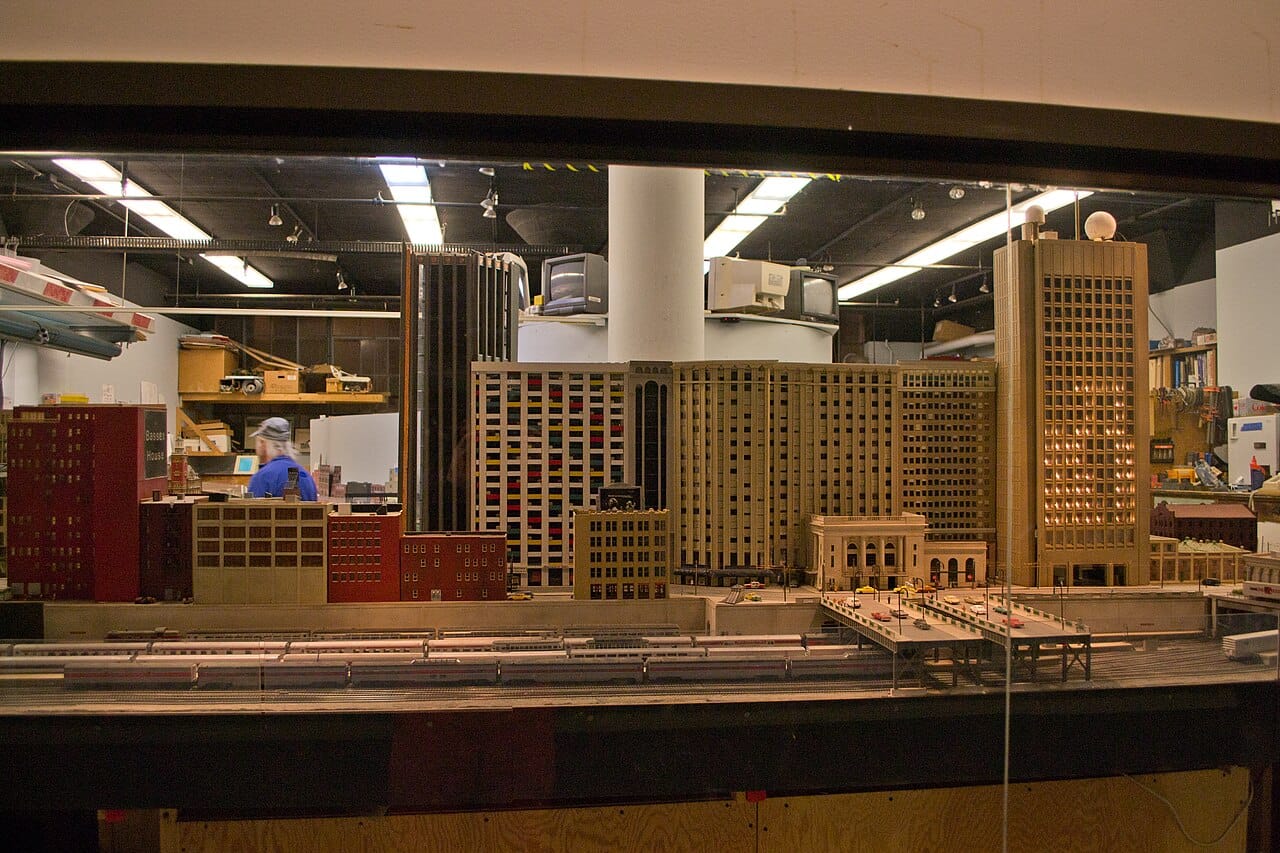
Where foo and bar come from: the only variable with its own RFC
The placeholder in half of all code examples traces back through a WWII vulgarity, a 1959 model railroad club dictionary, and a 1930s comic strip. The internet's standards body eventually gave it an official etymology, published on April 1st.
#unix
#history
#programming
·
AI-assisted
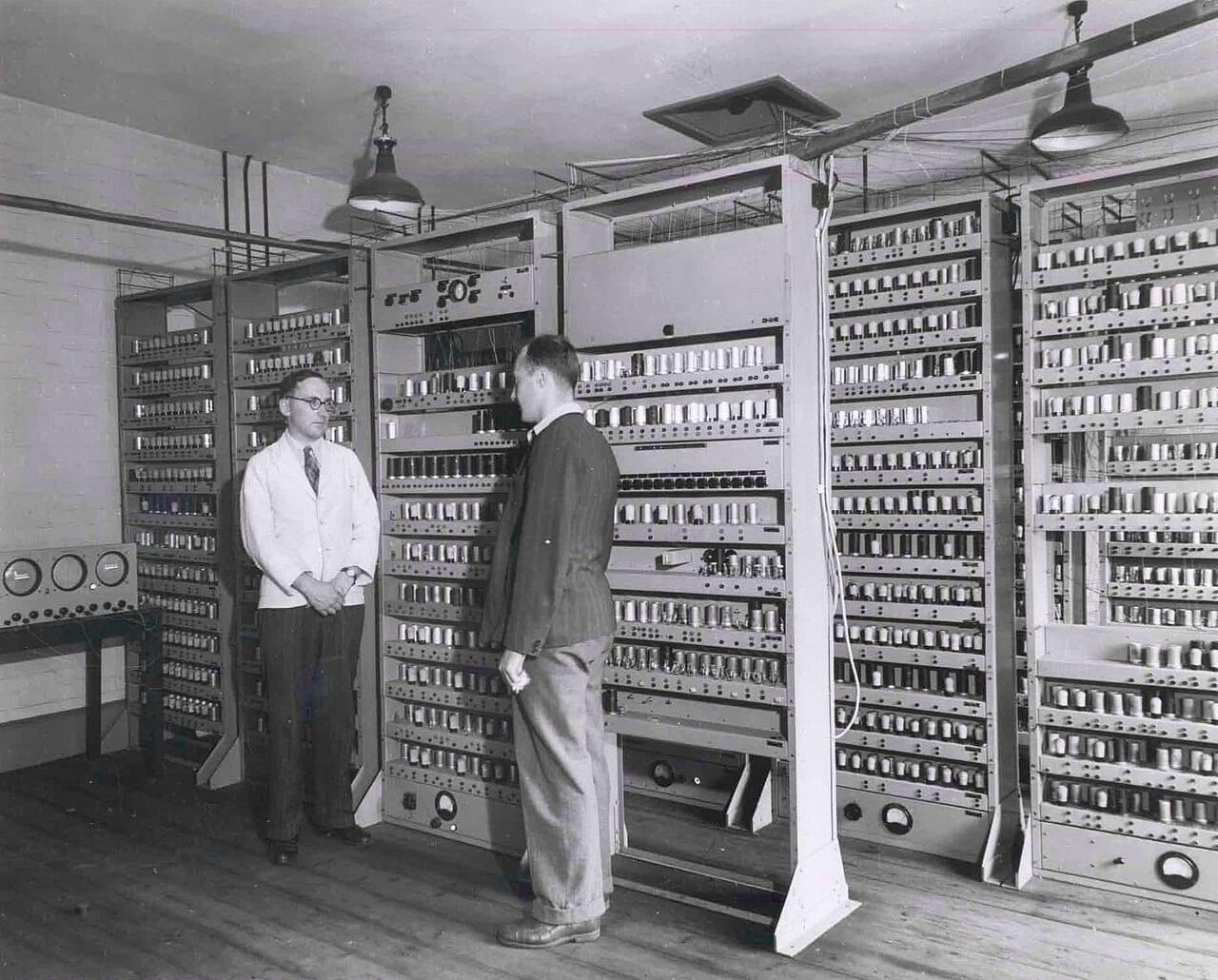
Why is it called booting? The impossible trick your computer does every morning
The word behind every restart describes something that cannot be done: lifting yourself off the ground by your own straps. Engineers in the 1950s chose the idiom precisely because it names a real paradox at the bottom of every machine, and the paradox is still there.
#unix
#history
#hardware

·
AI-assisted
Why is cron called cron? The one Unix name that tells the truth
In a vocabulary built from puns, insults and physics jokes, the Unix scheduler is named with a straight face after the Greek word for time. The story is in what happened next: a daemon that checked its watch so eagerly it had to be taught to sleep.
#unix
#history
#linux

·
AI-assisted
Why is it called ping? Sonar, submarines, and an acronym that isn't
The first tool anyone reaches for when the network dies was written in one evening in 1983 by a man thinking about submarines. The acronym everyone quotes for it was invented by someone else, after the fact, and the author's response to it was better than either story.
#networking
#history
#unix
·
AI-assisted
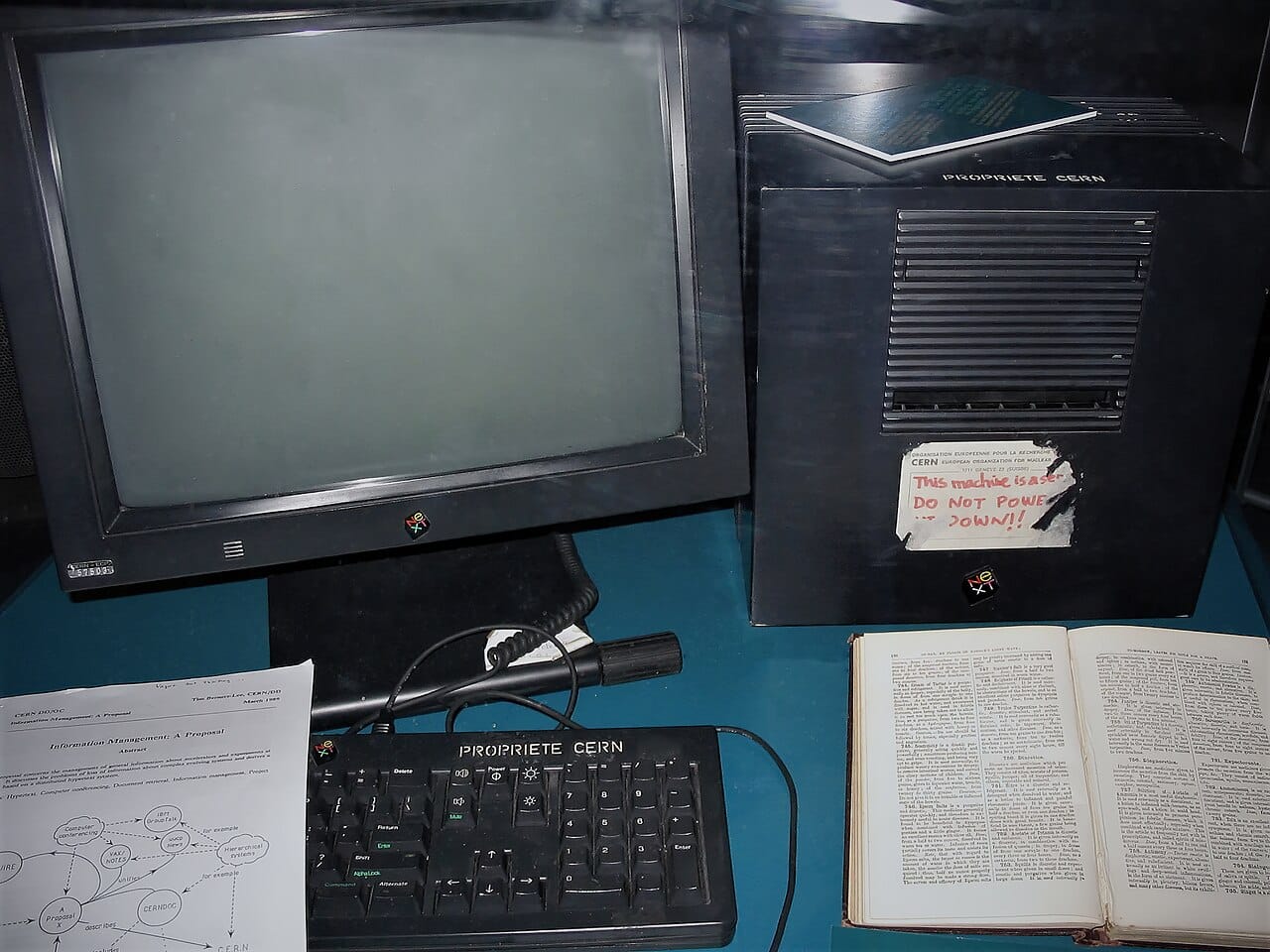
Why is it called a 404? There was never a room 404
The web's most famous number has a beloved origin story involving an office at CERN where the first server lived. The web's own pioneers call the story hogwash. The real answer is duller, older, and better: the digits are a sentence, and you can read them.
#networking
#history
#web
·
AI-assisted
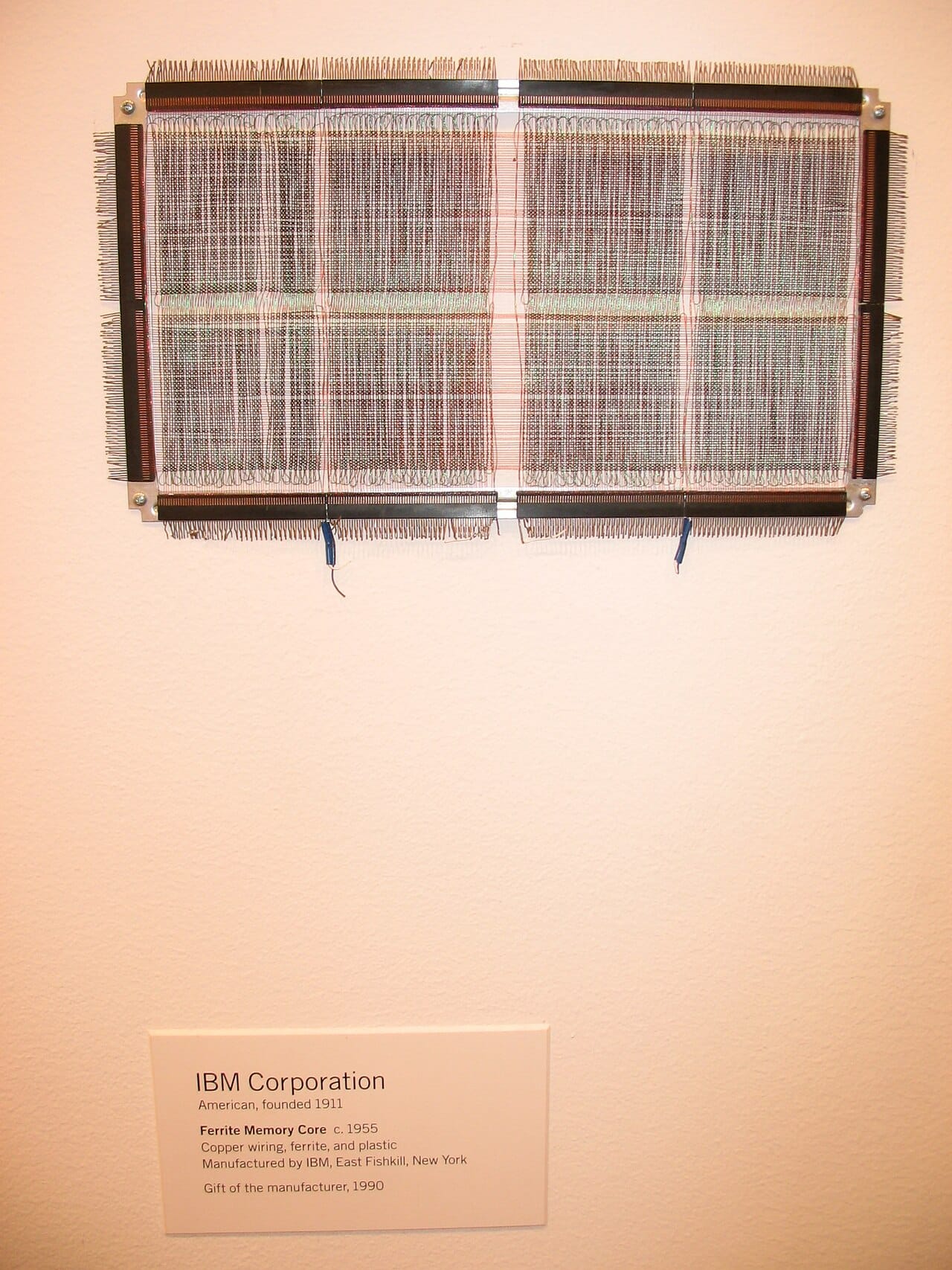
Why is it called a core dump? The memory was made of tiny magnets
When a program dies badly, the file it leaves behind is named after hardware that has been extinct for fifty years: little ferrite rings threaded by hand onto wire grids, by the millions, mostly by women whose work your crash reports still commemorate.
#unix
#history
#hardware
·
AI-assisted
What does sudo stand for? The answer changed while nobody was looking
Everyone types it, few know the name drifted. The command was born around 1980 at SUNY Buffalo meaning one thing, the official project now spells it another way, and the man pages quietly rewrote what the first two letters mean. The story of the most-typed safety mechanism in computing.
#unix
#history
#linux
·
AI-assisted
Why is localhost 127.0.0.1? Sixteen million addresses for talking to yourself
One man reserved it in 1981 with a single table row and his own initials as the only justification. The reason it was 127 and not anything else was never written down, and the address block it sits in is large enough to give every person in the Netherlands their own loopback.
#networking
#history
#unix