Blog
Notes from working on data platforms, infrastructure, and side projects.
·
AI-assisted
The other data catalog: governance, lineage, and OpenMetadata
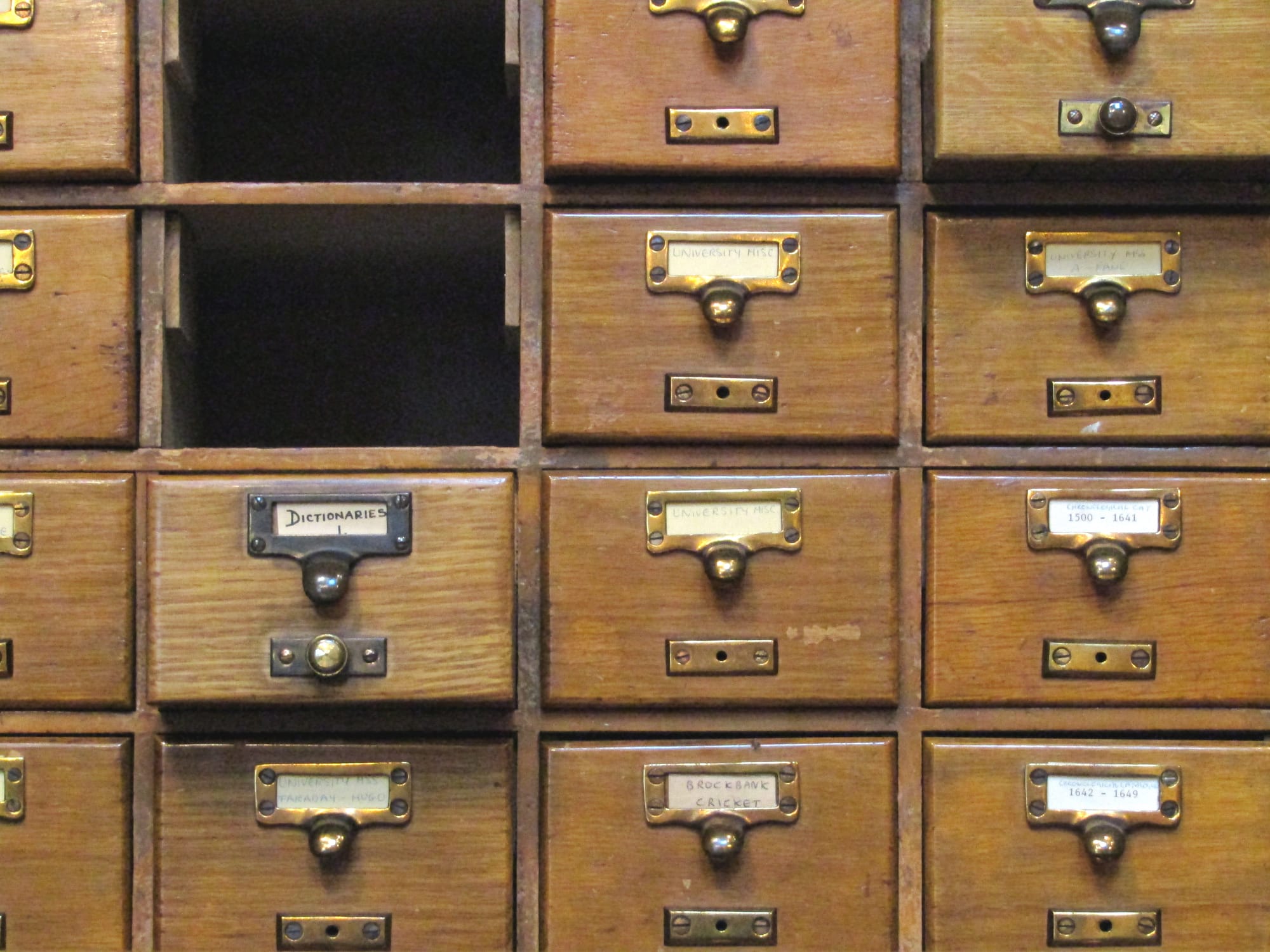
"Catalog" means two different things in the lakehouse: the technical catalog in your query path (Unity, Polaris) and the governance catalog beside it (OpenMetadata, DataHub). The second is where lineage, ownership, and trust live — and where the next fight is.
#data
#lakehouse
#catalog
#governance
#databases
#infrastructure
#opinion
·
AI-assisted
The firewall rule that allowed WireGuard and blocked it anyway
A WireGuard tunnel to a Hetzner VPS sent 670 KiB and received nothing. The firewall had an ALLOW rule for port 51820. Both facts were true — because the rule said TCP and WireGuard is UDP. A debugging war story, and the method that found it: bisect the packet path.
#networking
#wireguard
#debugging
#opinion
·
AI-assisted
Hallucination in LLMs: is it just semantics?
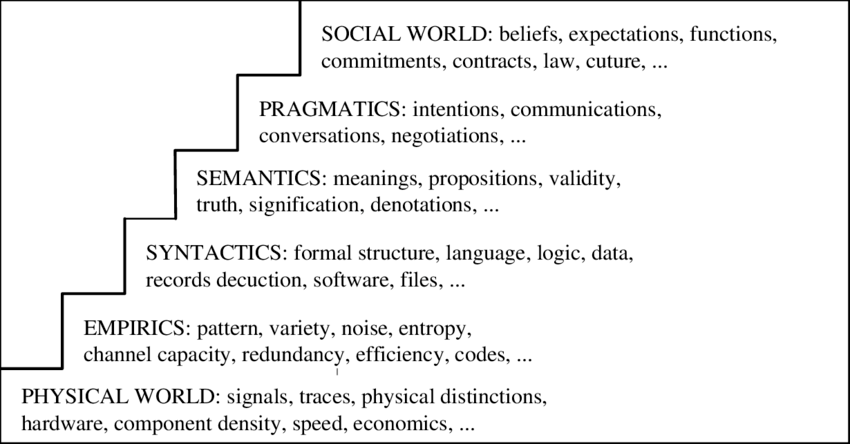
Grade an LLM against the classic linguistic layers — syntax, semantics, pragmatics, social — and the failure lands in one precise place: not meaning, but truth. Hallucination is semantically well-formed falsehood, and the layers that work are what makes the one that doesn't hard to spot.
#ai
#llm
#language
#opinion
·
AI-assisted
Why your terminal is called a TTY (and where the teletype still hides)
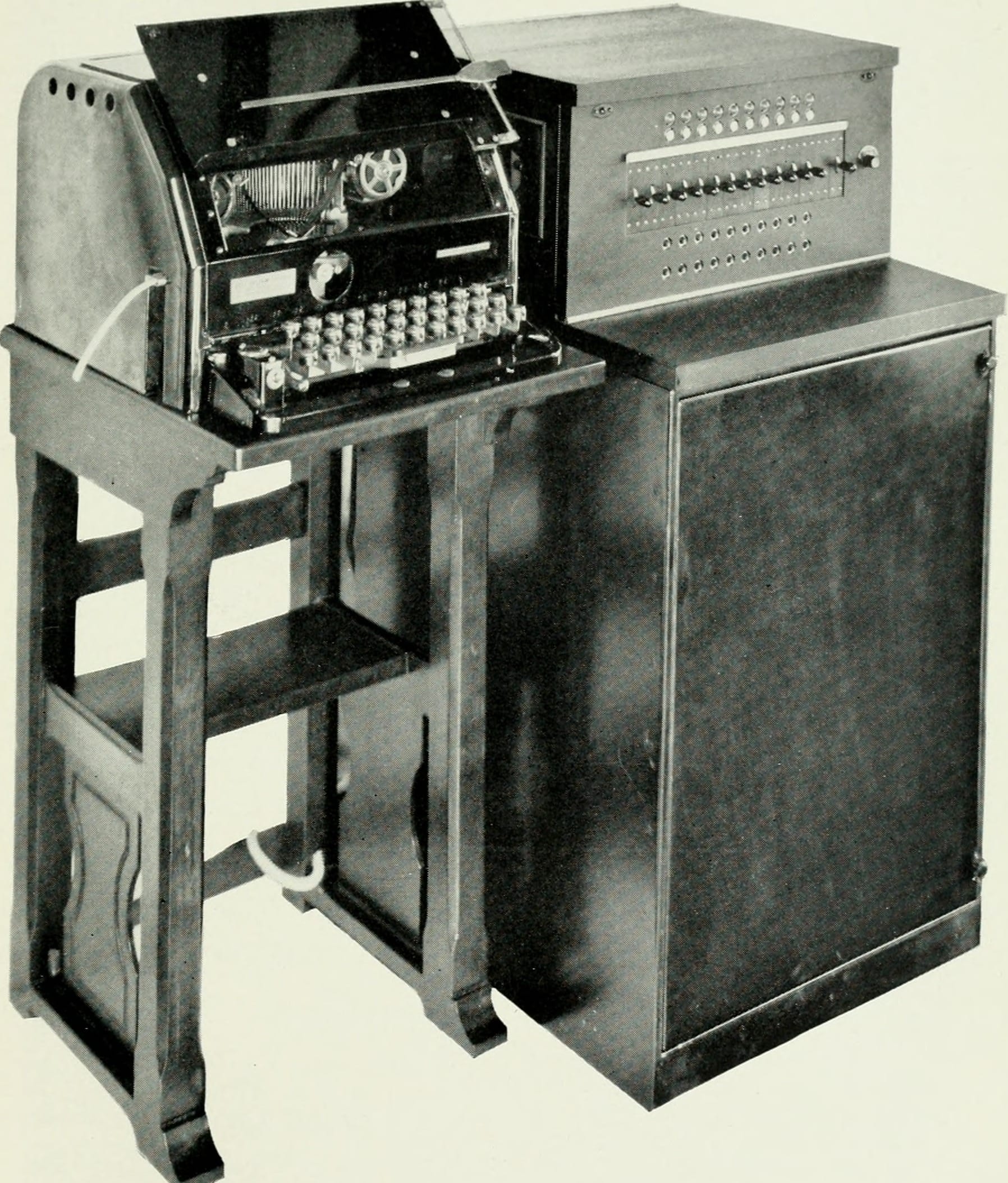
TTY is short for teletypewriter — a 1920s electromechanical printing telegraph that became the first computer terminal. The machine is gone, but the name survives in /dev/tty, getty, stty, SIGHUP, and a whole generation of terminal emulators that pun on it — kitty, Ghostty, PuTTY, Alacritty.
#unix
#history
#naming
·
AI-assisted
Where 'bug' and 'debugging' really come from
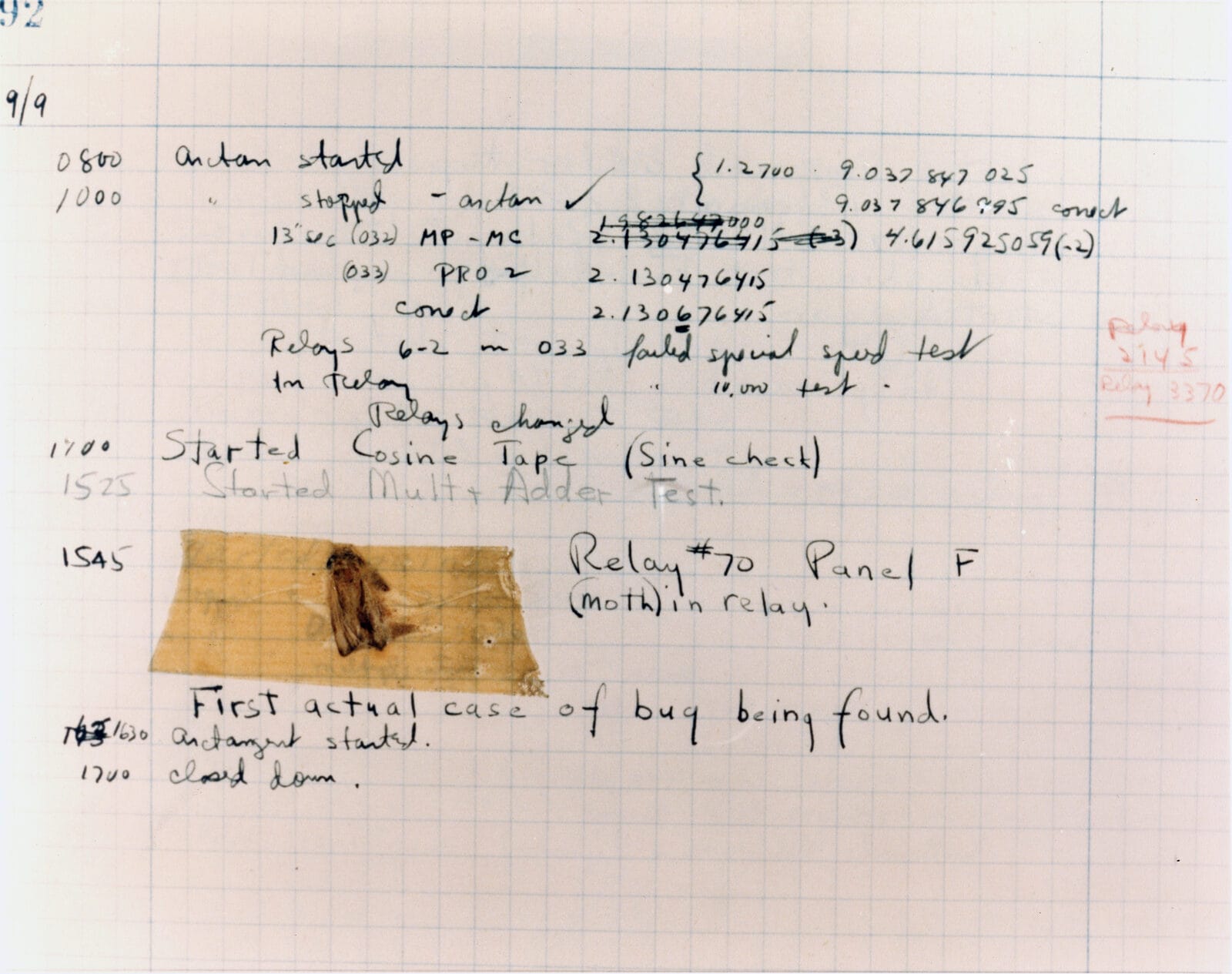
Grace Hopper's 1947 moth in the Harvard Mark II is real, and it is in the Smithsonian. But the word "bug" for an engineering fault is decades older — Edison used it in 1878 — which is exactly why the logbook entry is a joke.
#history
#naming
·
AI-assisted
Where the word 'daemon' comes from (and why it isn't 'demon')
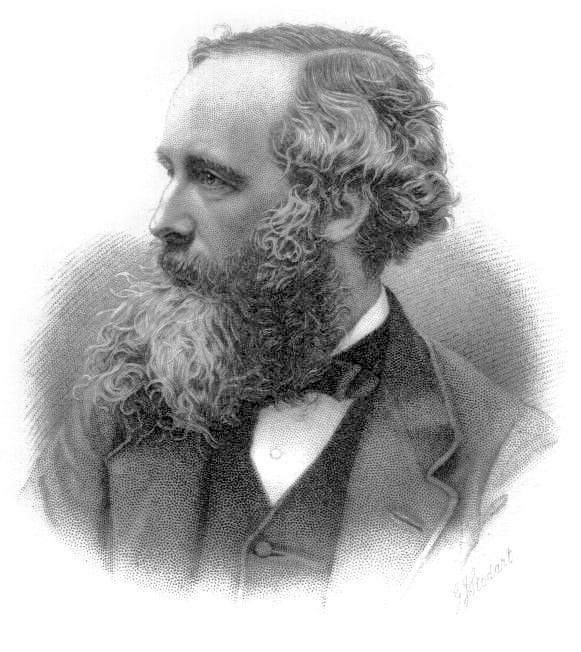
The Unix daemon was named at MIT around 1963 after Maxwell's demon — a tireless background sorter from thermodynamics — not after any religious devil. The Greek daimon meant a benevolent guiding spirit, and "Disk And Execution Monitor" is a backronym invented decades later.
#unix
#history
#naming

·
AI-assisted
Why Git is called Git
Linus Torvalds wrote Git in about two weeks in April 2005 after the BitKeeper licensing fallout, and named it after himself. "Git" is British slang for an unpleasant person — and the man page lists several joking backronyms for when it works or breaks.
#git
#history
#naming

·
AI-assisted
Why Apache is called Apache
The Apache web server has two competing origin stories — "a patchy server" built from NCSA httpd patches in 1995, and respect for the Apache Native American nation. The project's own documentation has told both, and which one is "real" has become a live question.
#apache
#history
#naming
#web
·
AI-assisted
Why a Docker image is called an 'image'
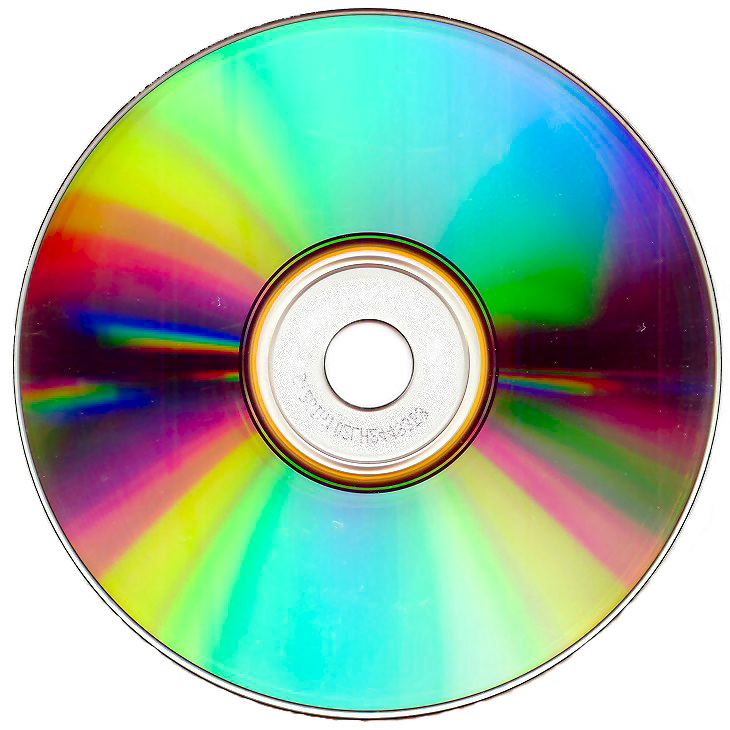
A Docker image is not a picture. The word traces through ISO files and CD-ROMs back to the 1960s, when an 'image' meant a faithful, byte-for-byte copy of storage — and the 'ROM' in CD-ROM is the same read-only idea Docker's immutable layers are built on.
#docker
#containers
#history
#naming

·
AI-assisted
Why Python is called Python (it's Monty Python, not the snake)
Guido van Rossum named Python in December 1989 after Monty Python's Flying Circus, not the reptile. The snake logo is a 2006 retrofit, the docs say spam and eggs instead of foo and bar, and the BDFL title started as a joke in a 1995 mailing-list thread.
#python
#history
#naming