Blog
Notes from working on data platforms, infrastructure, and side projects.

·
AI-assisted
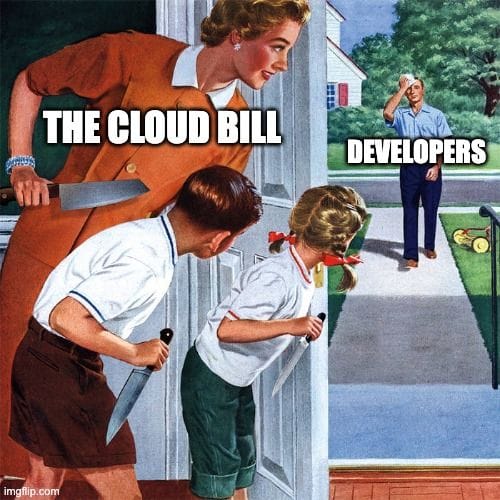
The cold-start tax: serverless warehouses vs an always-on box
A serverless warehouse that auto-provisions three nodes for a SELECT * spends most of the bill on the time you waited for it. A self-hosted ClickHouse on EC2 trades elasticity for sub-second latency and a fixed monthly line item — favourable any time queries are even mildly steady.
#data
#warehouse
#databricks
#clickhouse
#cost
·
AI-assisted
The hidden cost of a lakehouse on S3
A lakehouse on object storage looks cheap because storage is cheap. The bill is built from request count and managed-tier access fees, both of which scale with file count, not data volume. 5 GB stored as one million 5 MB files is a different invoice than 5 GB stored as ten 512 MB files.
#data
#lakehouse
#s3
#iceberg
#cost
·
AI-assisted
JSON: discovered, not invented
Douglas Crockford has said for twenty years that he did not invent JSON, he discovered it. The format was sitting inside JavaScript the whole time, waiting for someone to extract it. The story of how a 2001 footnote in a browser scripting language ate XML's lunch is shorter than most people think.
#json
#history
#data
·
AI-assisted
POSIX, the standard nobody reads
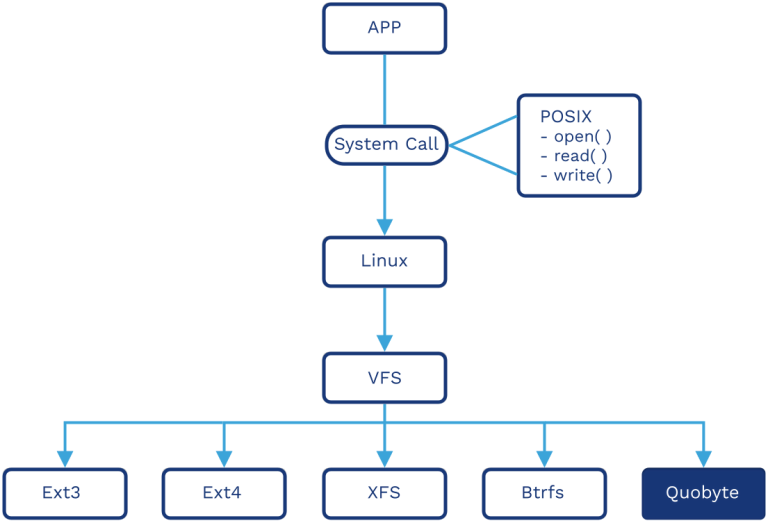
POSIX stands for Portable Operating System Interface, plus an X added at the IEEE's request. Richard Stallman coined the name in 1988. The standard codifies the Unix interface every modern operating system claims to implement and almost none follow strictly.
#posix
#unix
#history
#standards

·
AI-assisted
SSH: the 1995 protocol nothing has displaced
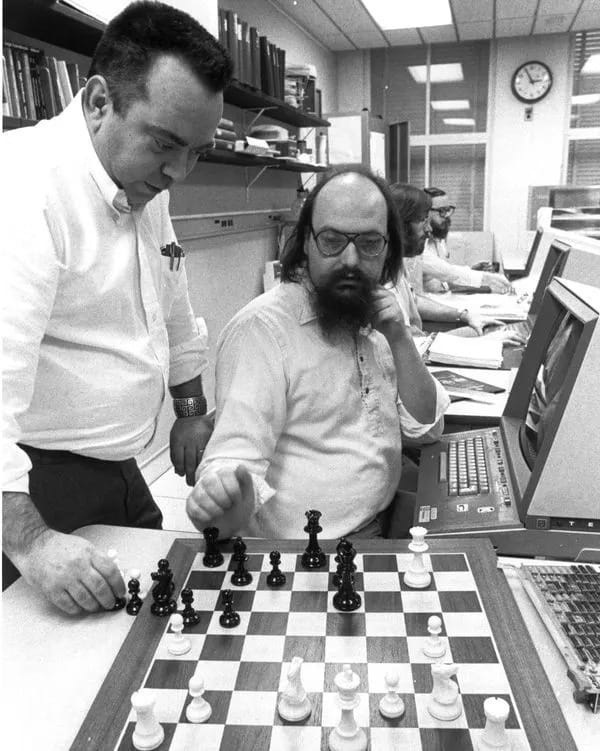
Tatu Ylönen wrote SSH at Helsinki University of Technology in July 1995 after a password-sniffing incident. Thirty years later it is the default remote-access protocol on every Unix-like operating system, including Windows. Almost nothing else in security tooling has lasted as long unchanged.
#ssh
#security
#history
#networking
·
AI-assisted
What does grep stand for, and the seventy-five-year history of the regular expression
grep is short for g/re/p — the ed command syntax for global regular expression print. Regular expressions themselves go back to a 1951 RAND memo by Stephen Kleene. The thirty-year flavour war is a footnote to the original math.
#regex
#history
#unix

·
AI-assisted
SQL or 'sequel': a short history of two pronunciations
Two pronunciations of SQL have coexisted for nearly fifty years. Why the language was renamed in the first place, and what each pronunciation preserves, turns out to be more interesting than the debate that surrounds it.
#sql
#databases
#history
#opinion

·
AI-assisted
Where database names come from
A short tour of database name origins. Children, code names, predecessors, acronyms, mythology, and at least one pet duck on a houseboat. Most of the history of the field is hidden inside the names themselves.
#databases
#history
#opinion

·
AI-assisted
Review LLM diffs as a team, and draw a deterministic map
A 2026 study found humans are quietly being gentler on AI-authored PRs than on human-authored ones. Single-reviewer review already broke at 400 lines per diff. The fix is two old ideas — distribute the review across the team, and pair every diff with a deterministic map of the code flow.
#ai
#llm
#code-review
#team-practice
#mob-programming
#deterministic-tools
#opinion

·
AI-assisted
Twenty LLMs do not make a team
Brooks said adding people to a late project makes it later. Adding LLMs follows a similar pattern, except the cost lands on a different axis — output rises while shared understanding of the system erodes, and the resulting cognitive debt eventually has to be paid.
#ai
#llm
#productivity
#cognitive-debt
#brooks
#team-scaling
#burnout
#opinion