Blog
Notes from working on data platforms, infrastructure, and side projects.
·
AI-assisted
DuckDB: the single-node engine eating the warehouse
Most companies' data is not big enough to justify a distributed warehouse. A single fat box running DuckDB reads Parquet and Iceberg off S3 directly and answers the median analytics query in under a second, for a fixed bill and no cold start. The big-data era was mostly oversizing.
#data
#duckdb
#databases
#warehouse
#infrastructure
#opinion

·
AI-assisted
DuckLake: metadata belongs in a database, not a pile of files
Iceberg and Delta reimplemented a transactional catalog as JSON and Avro files in object storage — and then needed a real database catalog on top anyway. DuckLake's heresy is to skip the file layer entirely: put all the metadata in SQL, keep the data in Parquet. It is both obvious and a little rude.
#data
#ducklake
#duckdb
#iceberg
#lakehouse
#opinion
·
AI-assisted
How Apache Iceberg won the table-format war
Iceberg did not win on features. Delta Lake had the bigger installed base and Hudi had the better write path. Iceberg won on governance and an engine-neutral spec, and the moment Databricks paid roughly $2B for Tabular the war was effectively over.
#data
#lakehouse
#iceberg
#databases
#infrastructure
#opinion
·
AI-assisted
Zero-ETL: querying data without moving it
"Zero-ETL" is the data industry's most successful rebrand of the year — and the T never went anywhere. The transformation work does not vanish, it relocates to query time or to the catalog. What is genuinely new is the collapse in data duplication, and that part is worth the hype.
#data
#infrastructure
#databases
#warehouse
#opinion

·
AI-assisted
Where the HTTP cookie comes from
Lou Montulli invented the web cookie at Netscape in June 1994 to give a stateless protocol a memory. The name is borrowed from the Unix "magic cookie" — an opaque token a program hands around — and the privacy story started almost immediately.
#web
#history
#networking
#naming

·
AI-assisted
What we mean when we say 'the cloud'
The cloud was a network-diagram icon for two decades before it was a product. Compaq coined cloud computing in 1996, AWS made it real in 2006, and the surrounding vocabulary — VPS, hyperscaler, colocation — each carries its own history.
#cloud
#infrastructure
#history
#opinion
·
AI-assisted
The editor wars were never really about the editor
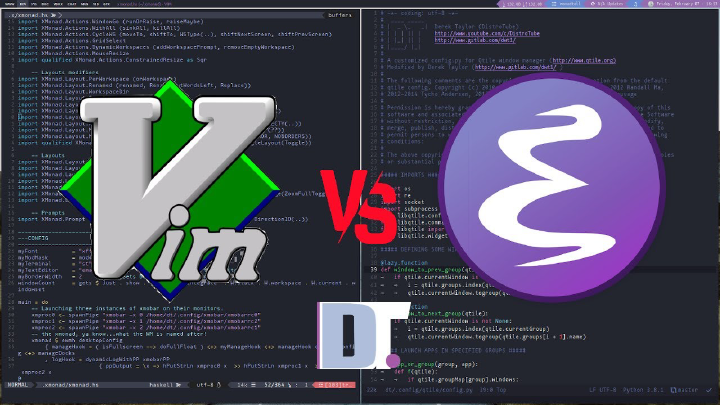
vim came from ed (1969) through ex and vi. Emacs came from a different lineage starting at MIT in 1976. The thirty-year fight between them was a disagreement about whether modal editing is worth the learning curve. Nano is the third option that quietly took the casual market.
#vim
#emacs
#nano
#history
·
AI-assisted
Why Kubernetes is called K8s, and what the Greek means
K8s is a numeronym — K, eight letters, s. Kubernetes itself is the ancient Greek κυβερνήτης, the helmsman of a ship. The seven-spoked logo is a Star Trek easter egg. The thing it names is the third generation of Google's internal scheduler.
#kubernetes
#k8s
#history
#naming
·
AI-assisted
Where the name Docker comes from
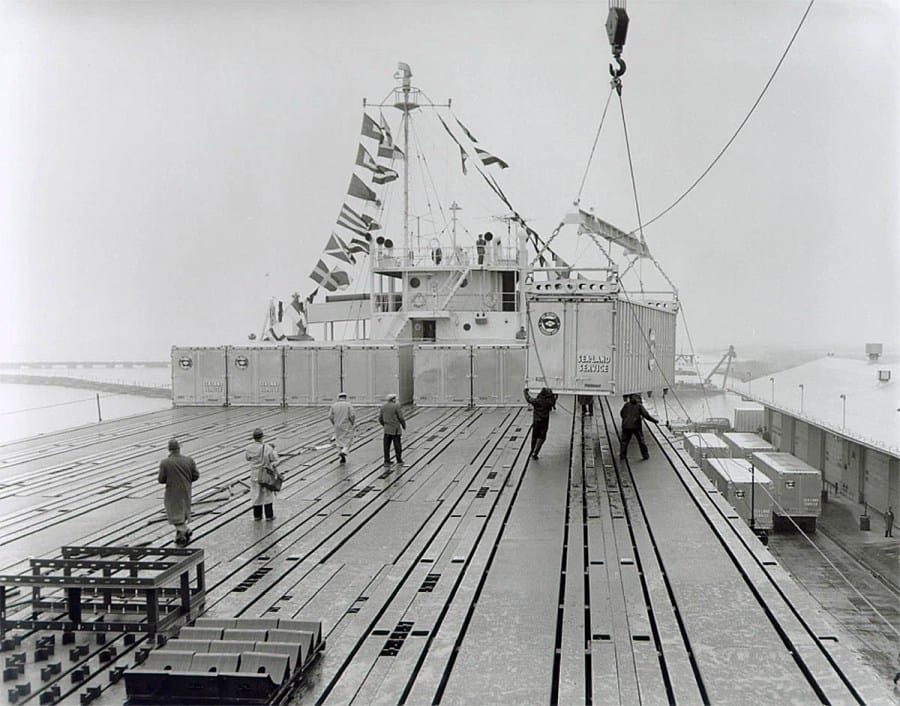
A docker is a longshoreman — the worker at a port who loads and unloads shipping containers. The software took its name from the work; the work took its metaphor from the 1956 standardisation of physical shipping containers. The container ecosystem inherited the maritime vocabulary.
#docker
#history
#containers
#naming

·
AI-assisted
YAML vs YML, and what 'markup language' actually means
The .yml extension is a 1990s DOS artifact. The 'YAML Ain't Markup Language' acronym is a 2002 self-correction. Both questions resolve cleanly once you know markup languages and data serialisation formats are different categories with different ancestors.
#yaml
#markup
#history
#data
#opinion